Chemical peels have been around for decades, but the modern clinical-grade peel is a different species entirely. What was once a one-size-fits-all salon treatment has evolved into a precision tool capable of addressing everything from surface dullness to deep textural damage.
What Makes a Peel “Clinical-Grade”?
The difference starts with formulation. Over-the-counter peels typically use low concentrations of alpha-hydroxy acids (AHAs) or beta-hydroxy acids (BHAs) — enough to exfoliate the surface layer but not enough to trigger meaningful cellular renewal. Clinical-grade peels use stronger, professionally controlled acid concentrations combined with buffering agents and neutralization protocols that allow deeper penetration without uncontrolled damage.
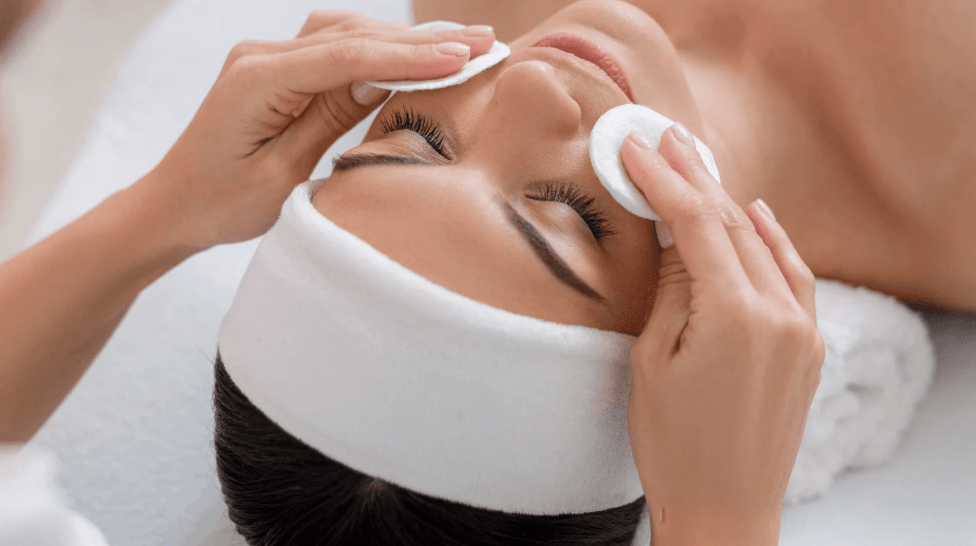
More importantly, the application environment matters. Clinical peels are administered in controlled settings with pre-treatment skin preparation, real-time monitoring, and post-care protocols designed to optimize healing and results. That full-spectrum approach is what separates a true rejuvenation treatment from a superficial exfoliation.
What Clinical Peels Actually Do
At the cellular level, a well-administered chemical peel causes controlled epidermal disruption. The skin responds by accelerating cell turnover and stimulating collagen production in the dermis. Over the following weeks, this produces visible improvements in tone, texture, fine lines, and pigmentation irregularities.
Depth is the key variable. Superficial peels refresh. Medium-depth peels resurface. Deep peels, reserved for specific clinical scenarios, can dramatically remodel aged or scarred skin. The right depth for each patient depends on skin type, concern, lifestyle, and downtime tolerance — which is why professional assessment is non-negotiable.
The Safety Equation
Chemical peels are among the safest non-invasive aesthetic treatments when administered properly. Complications almost always arise from incorrect acid selection, improper neutralization, or treating unsuitable candidates. A thorough consultation — including skin type analysis, contraindication screening, and realistic outcome discussion — prevents virtually all adverse outcomes.
This is why the provider’s expertise matters more than the peel’s brand name. The same solution in two different hands can produce vastly different results.
Who Benefits Most?
Ideal candidates for clinical chemical peels include individuals with sun damage, uneven pigmentation, mild to moderate acne scarring, fine lines, and general skin dullness. The treatment is also an excellent maintenance tool for patients who want to preserve the results of other procedures or simply maintain a refreshed appearance without injectables.
Patients in coastal cities with high sun exposure — think Southern California — often see particularly strong results because the primary concerns (solar elastosis, melasma, actinic damage) respond well to acid-based resurfacing.
Finding the Right Treatment
If you’re considering a clinical peel, look for a provider that emphasizes consultation, customization, and aftercare. The best outcomes come from clinics that view the treatment as a process, not a procedure.
For those seeking San Diego chemical peels, the med spa market offers a range of options — but quality varies significantly. Prioritize providers with licensed clinical staff, individualized protocols, and a track record of consistent patient outcomes over flashy pricing or package deals.
Conclusion
Clinical-grade chemical peels represent one of the most efficient ways to meaningfully improve skin quality without surgery or injectables. The technology has matured. The safety profile is well established. For anyone serious about skin rejuvenation, a professionally administered peel is no longer a luxury — it’s a logical first step.