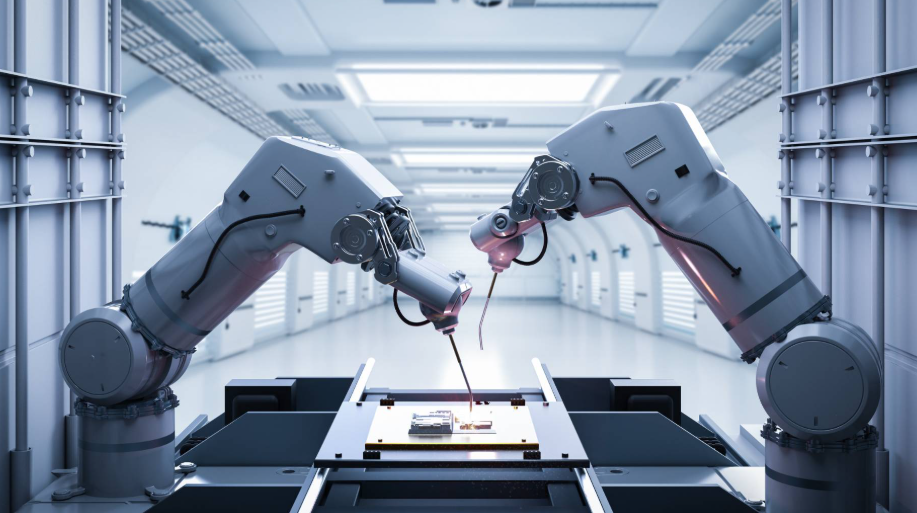
Automation in technology represents a significant shift in how tasks are performed across various industries. By leveraging software and machinery, it minimizes human involvement, thereby enhancing efficiency and productivity. This transformation spans multiple forms, from streamlining manufacturing processes to optimizing digital workflows. However, as organizations embrace automation, they must also confront the challenges it presents. What implications does this have for the future of work and innovation?
Understanding Automation: Definitions and Concepts
Automation represents a transformative force in the realm of technology, encompassing a range of processes designed to minimize human intervention.
Process automation employs software to handle repetitive tasks efficiently, while robotic process automation specifically utilizes bots to streamline workflows.
Together, these innovations empower individuals and organizations, granting them the freedom to focus on more strategic initiatives and fostering a more productive environment.
See also: dondupmu
Types of Automation: From Industrial to Digital
While various sectors have embraced automation, its applications can be broadly categorized into industrial and digital forms.
Industrial automation focuses on streamlining manufacturing processes through machinery and robotics, enhancing production efficiency.
In contrast, digital automation employs software solutions to optimize workflows, data management, and communication.
Both types aim to reduce human intervention, allowing for greater freedom and flexibility in operations across diverse environments.
Benefits of Automation: Enhancing Efficiency and Productivity
The integration of automation into various sectors brings significant advantages that enhance efficiency and productivity.
By facilitating process optimization, organizations can streamline workflows, reduce redundancies, and improve overall output.
Additionally, automation allows for better resource allocation, ensuring that personnel and materials are utilized effectively.
This shift not only increases operational efficiency but also empowers employees to focus on more strategic tasks, fostering innovation.
Challenges of Automation: Navigating the Future of Work
As organizations increasingly adopt automation technologies, they face a myriad of challenges that complicate the transition to a more automated workforce.
Job displacement looms as a significant concern, prompting the need for effective skill adaptation. Workers must embrace continuous learning to thrive in this evolving landscape, ensuring they remain relevant and empowered in a world where automation plays an integral role in daily operations.
Conclusion
In the evolving landscape of technology, automation emerges as a double-edged sword, akin to a river that carves out valleys while reshaping the terrain. As it flows through various sectors, it enhances efficiency and productivity, allowing organizations to navigate toward innovation. However, this transformative force also presents challenges, demanding a careful balance between human ingenuity and mechanized precision. Ultimately, embracing automation is like planting seeds in a garden; with thoughtful cultivation, it can yield a fruitful future for all.